Physical Address
304 North Cardinal St.
Dorchester Center, MA 02124
Physical Address
304 North Cardinal St.
Dorchester Center, MA 02124

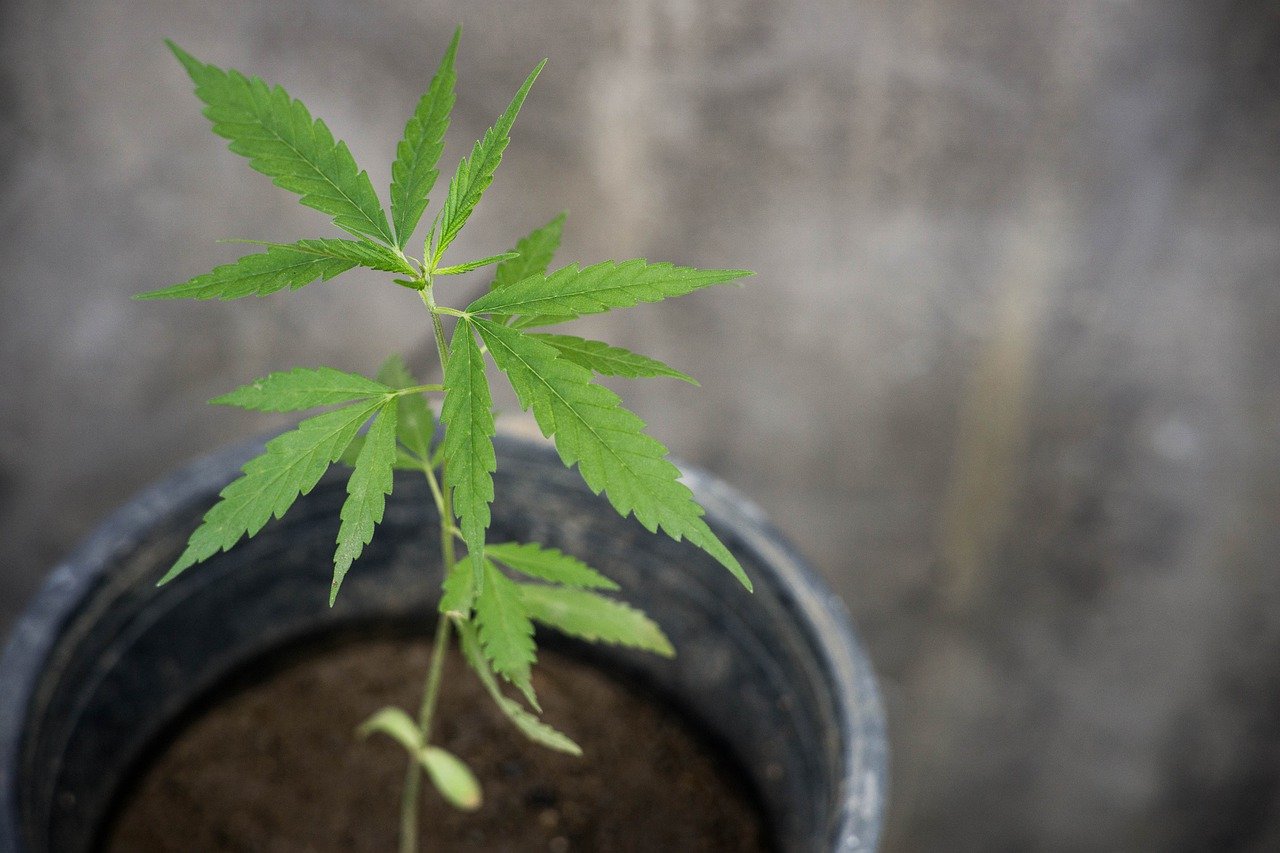
California remains one of the largest and most regulated cannabis markets in the United States. Whether you’re planning to cultivate cannabis for commercial purposes or expand an existing operation, obtaining a California grower’s license is the first and most important step.
This guide explains everything you need to know about the licensing process in 2026, from choosing the right license type to maintaining compliance after approval.
A California grower’s license is a state-issued authorization that allows individuals or businesses to legally cultivate commercial cannabis. The license is regulated by California’s cannabis authorities and is required for anyone growing cannabis for sale or distribution within the legal market.
Growing cannabis commercially without the appropriate license can result in fines, enforcement actions, and criminal penalties.
You need a California grower’s license if you plan to:
Personal cultivation for recreational use follows separate state laws and does not require a commercial cultivation license, provided all legal limits are followed.
The right license depends on the size and method of cultivation.
Ideal for growers using natural sunlight and large agricultural spaces.
Designed for fully enclosed facilities using artificial lighting and environmental controls.
Combines greenhouse structures with supplemental lighting to maximize production.
Each license category includes multiple canopy size options based on the scale of cultivation.
Before applying for a California grower’s license, applicants should:
Local approval is often one of the most important requirements before state licensing.
A successful application generally includes:
Having complete documentation significantly reduces processing delays.
Determine whether your cultivation operation will be outdoor, indoor, or mixed-light.
Many California cities and counties have their own cannabis regulations. Verify that commercial cultivation is allowed in your jurisdiction before investing in your project.
Your cultivation site should meet all applicable zoning, security, environmental, and operational requirements.
Complete the state licensing application and upload all required supporting documents.
Applicants must pay the required application and licensing fees based on the cultivation type and canopy size.
Licensing officials may request additional documentation or clarification during the review process.
Once approved, you’ll receive your California grower’s license, allowing legal commercial cultivation.
Processing times vary depending on:
Submitting accurate information from the beginning helps speed up approval.
Many applicants experience delays because of:
Carefully reviewing your application before submission can prevent costly delays.
Obtaining a California grower’s license is only the beginning. License holders must continue to comply with state regulations by:
Failure to maintain compliance may result in penalties or license suspension.
If you’re applying for the first time:
Obtaining a California grower’s license in 2026 requires careful planning, proper documentation, and ongoing compliance with both local and state regulations. While the application process can seem complex, preparing thoroughly and understanding each requirement will greatly improve your chances of approval.
Whether you’re launching your first cultivation business or expanding an existing operation, following the correct licensing process will help you operate legally and build a successful future in California’s cannabis industry.